Pol·Der

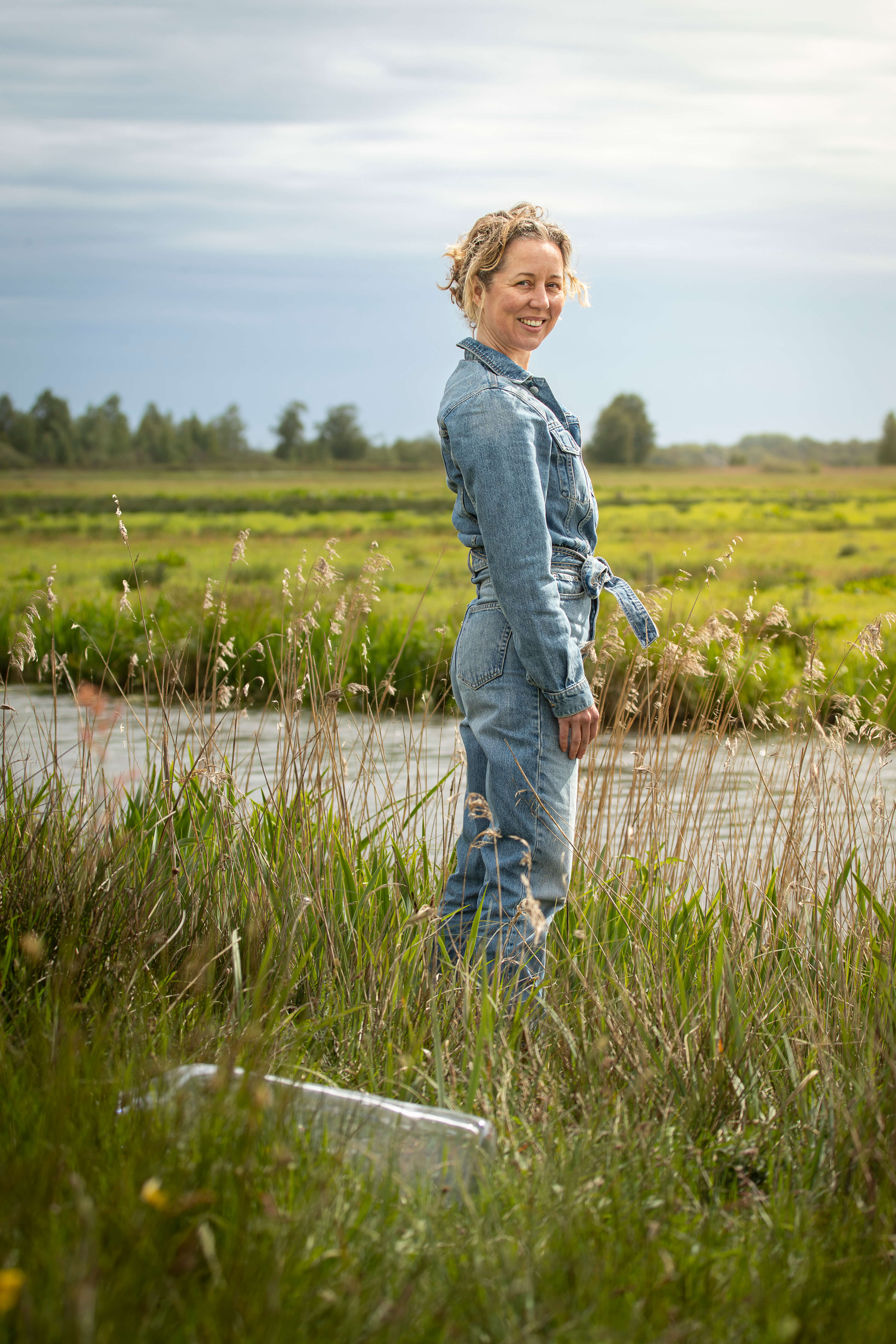

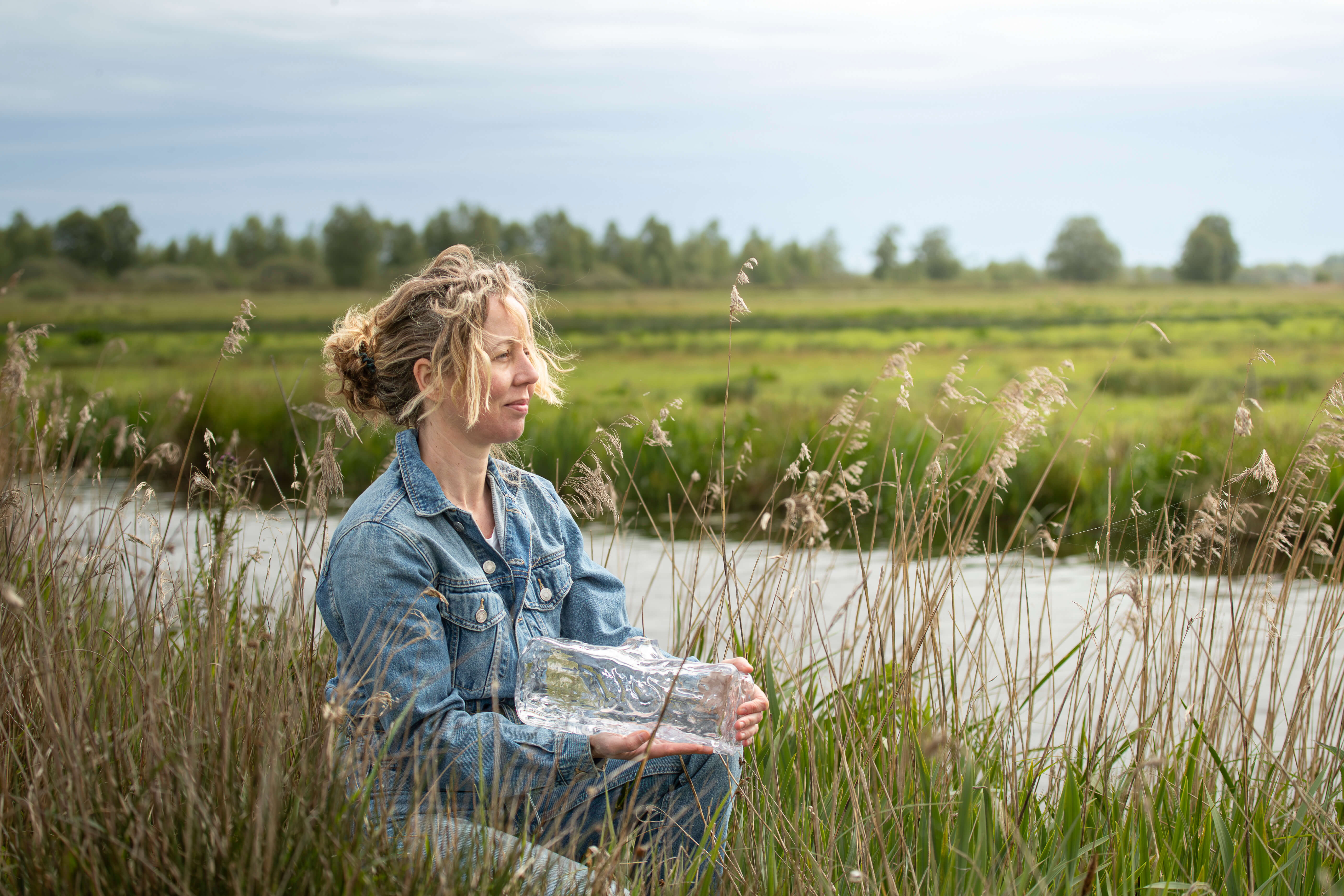
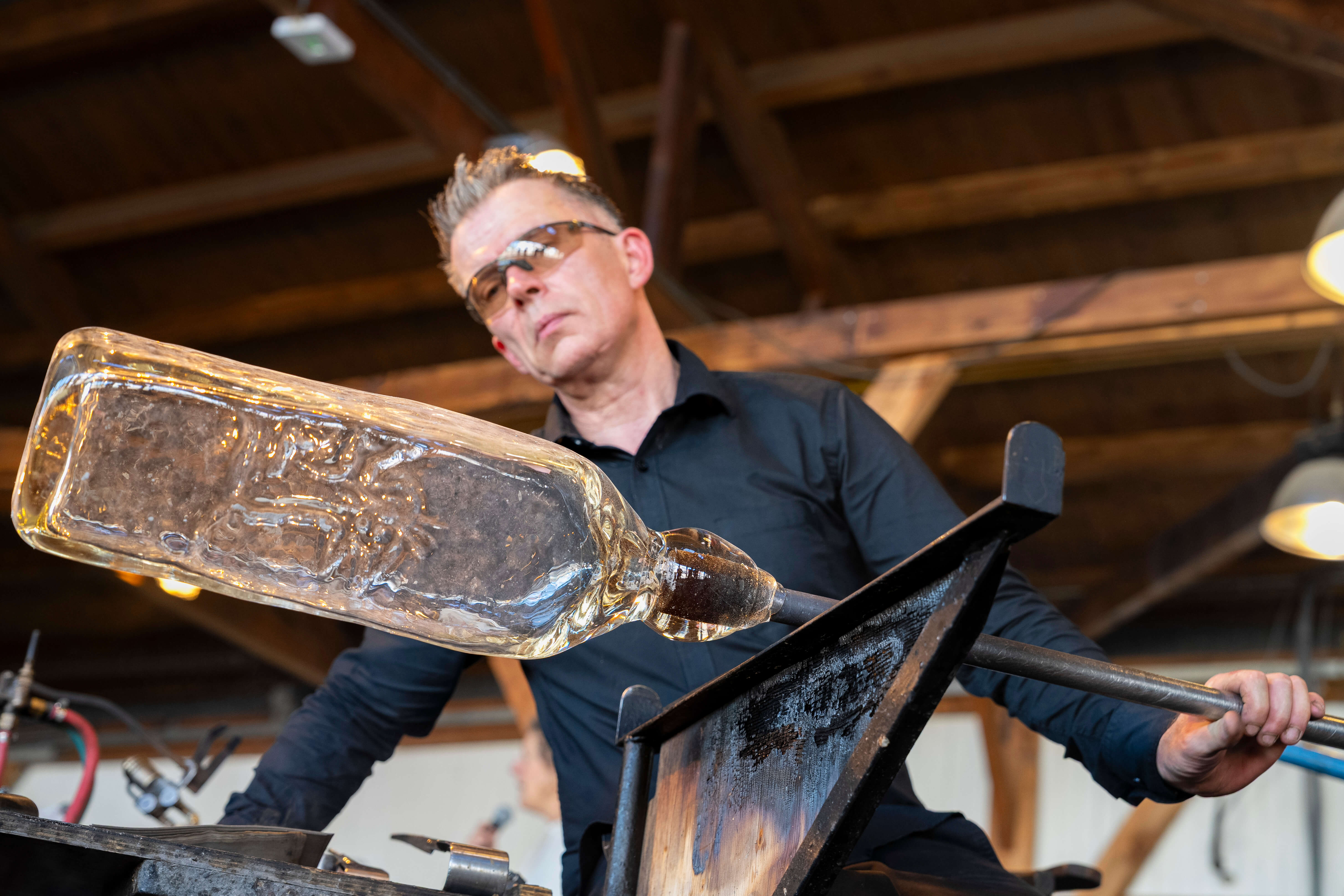

This work is an amazing example of participative, location-specific art in a museum quality production.
Wybren Jorritsma -Museum Director Museum Dr8888
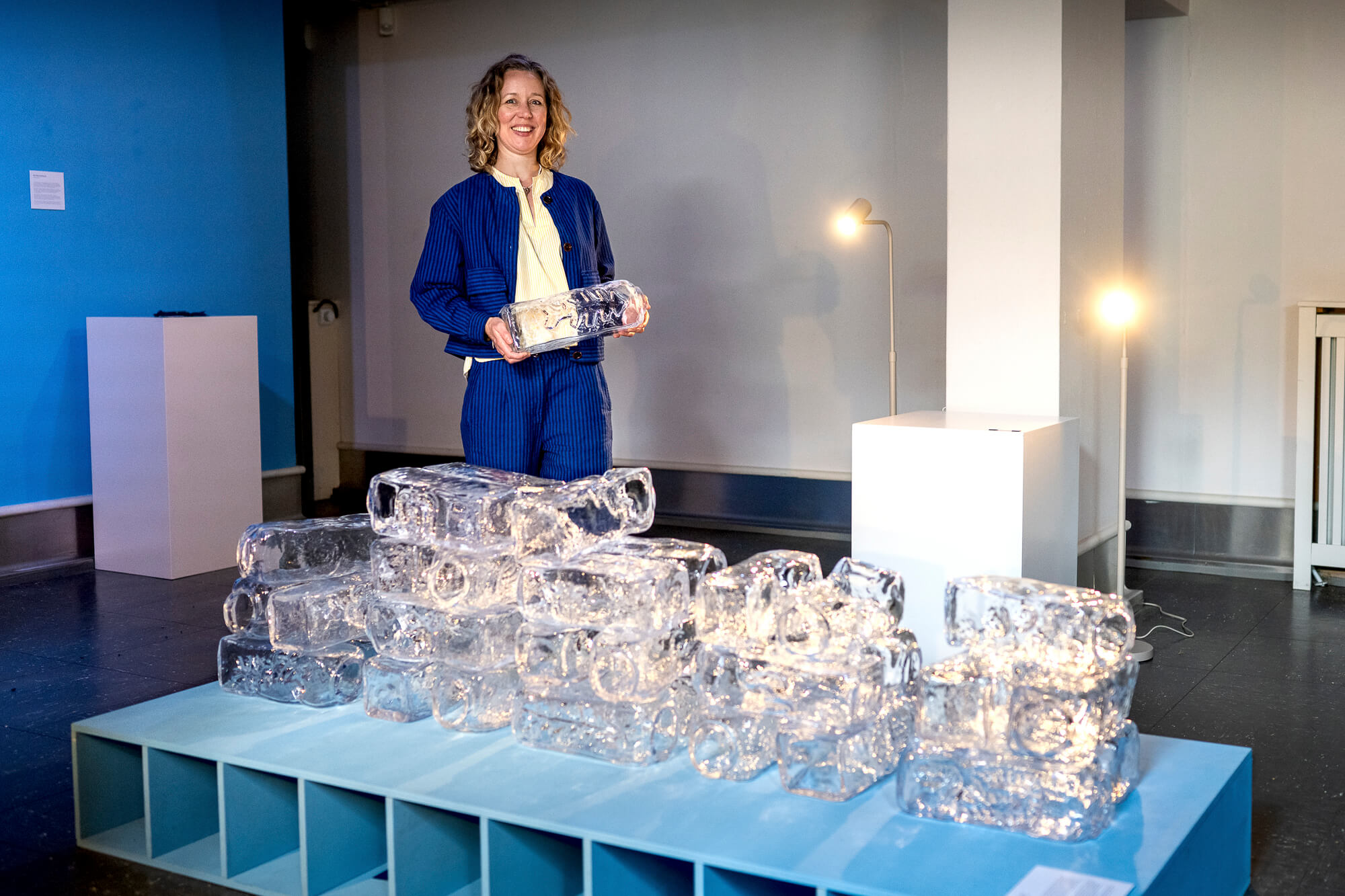
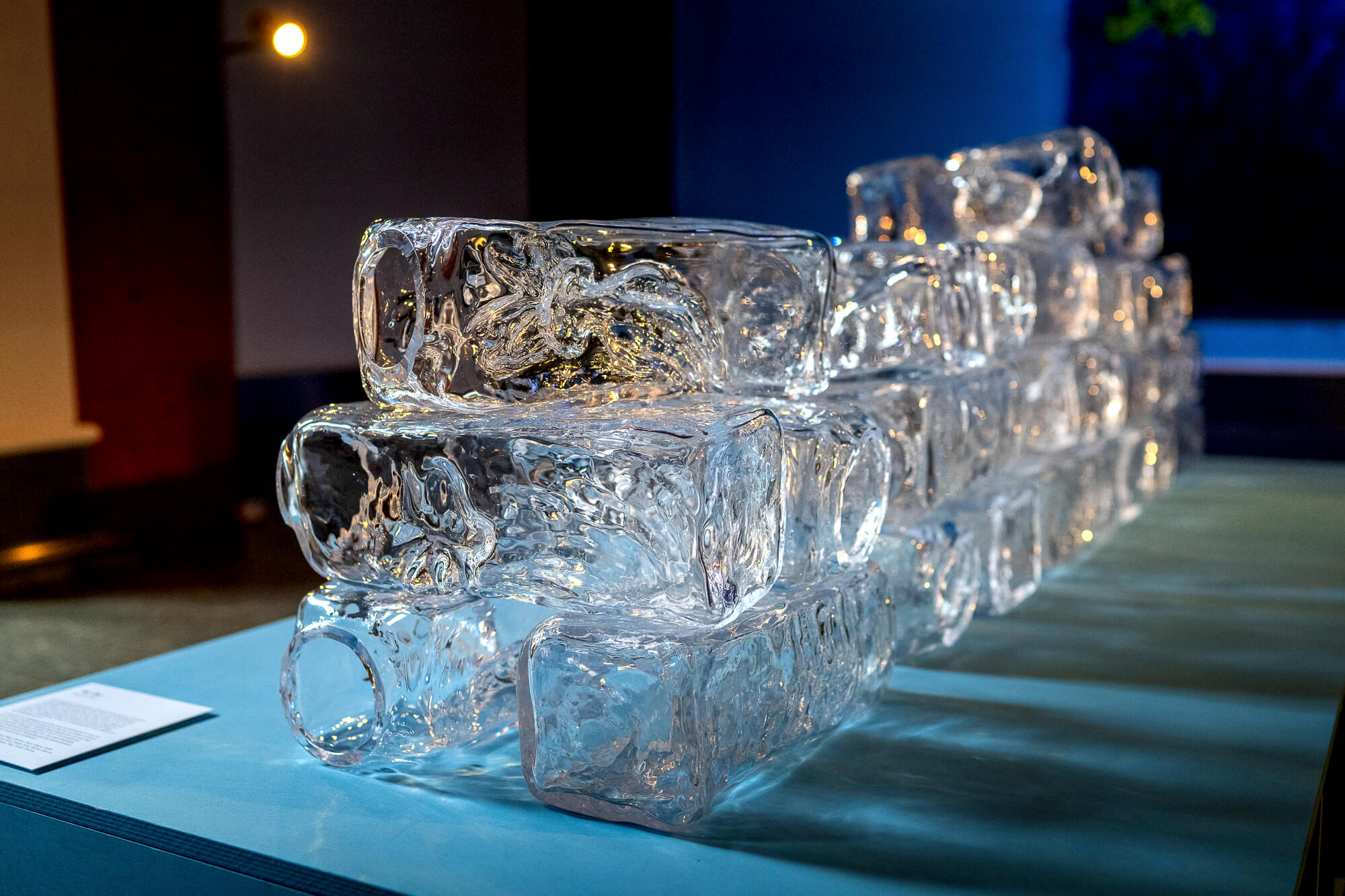
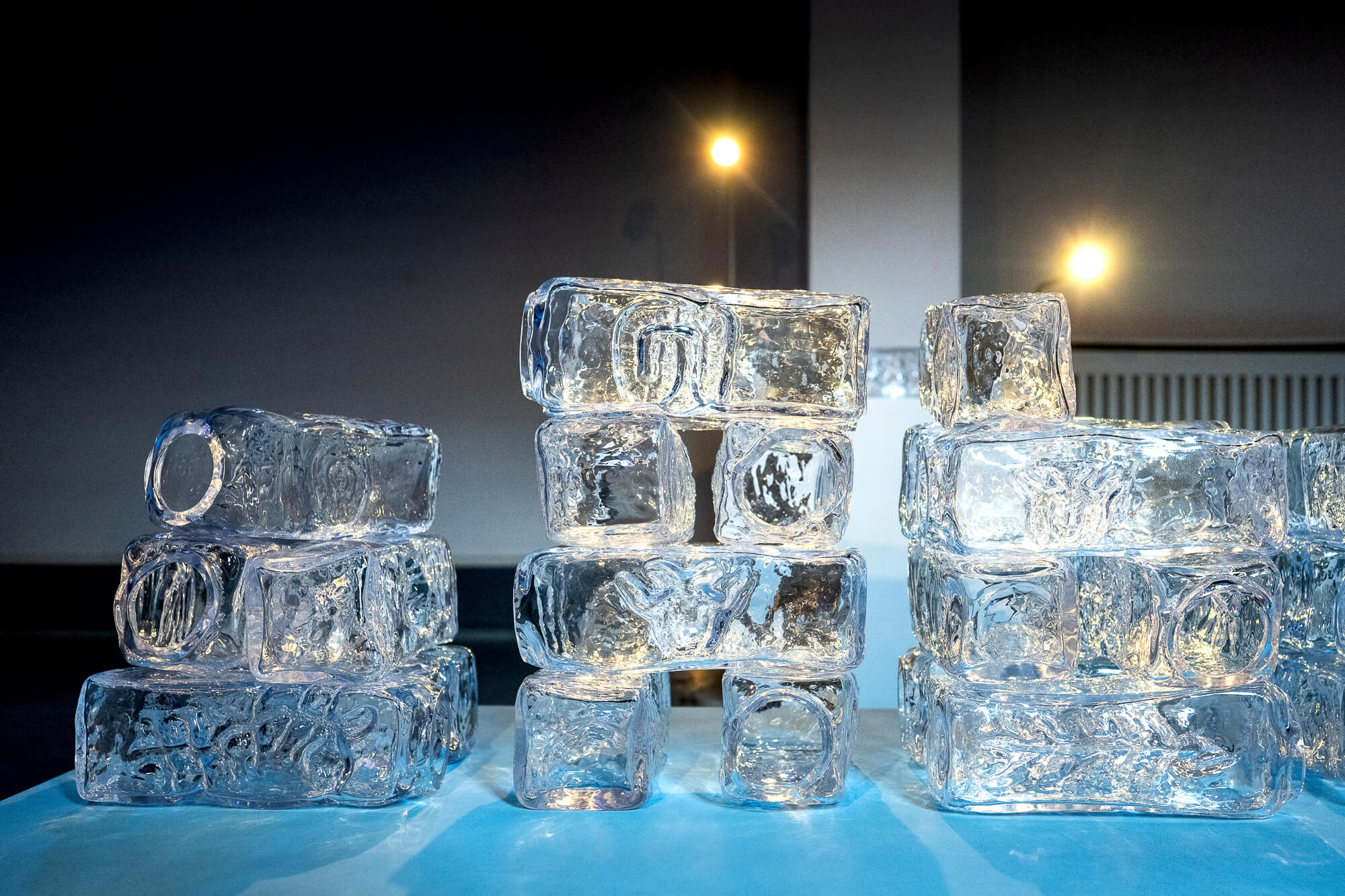
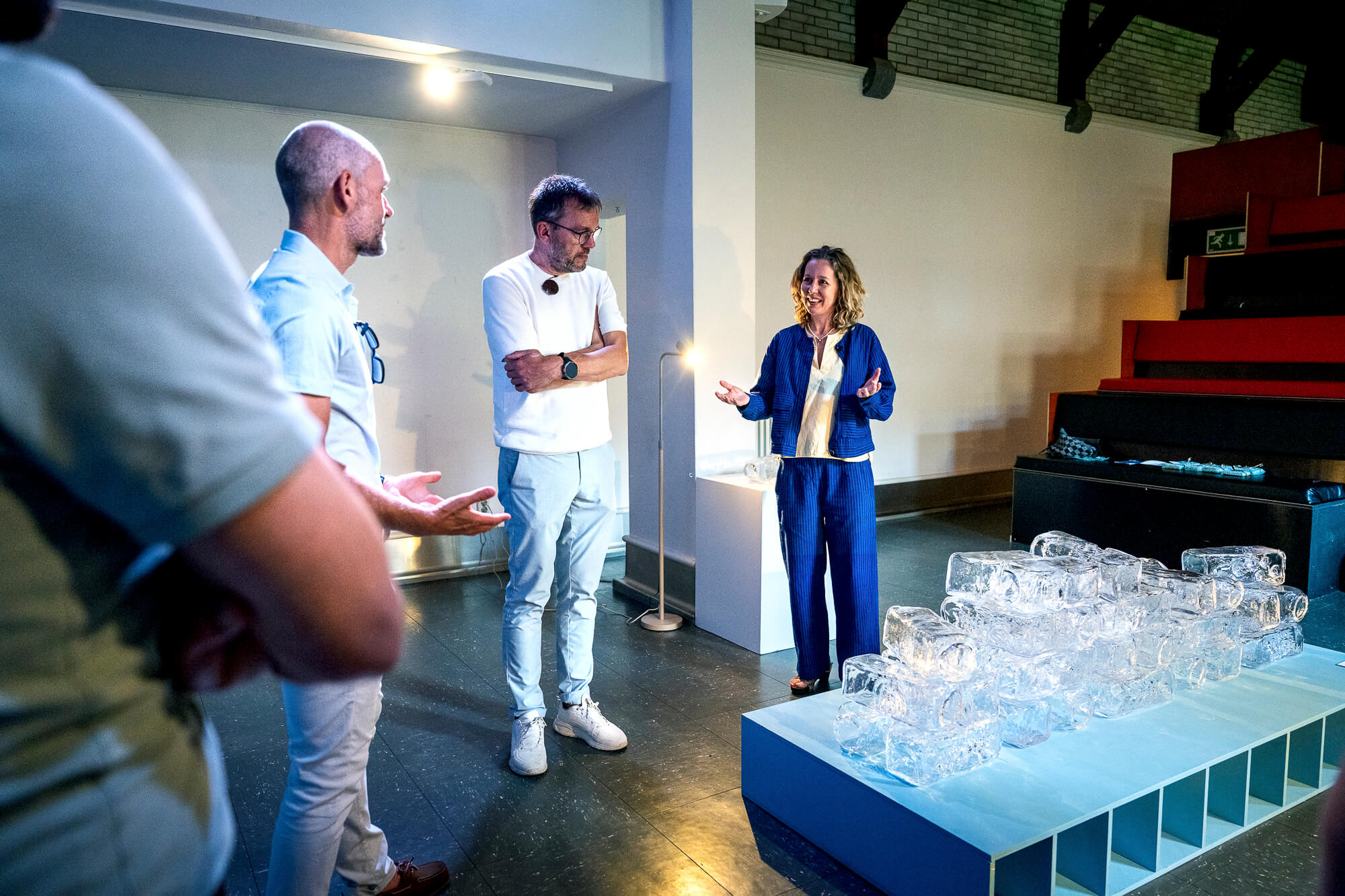
Pol · Der depicts the history and future of the Frisian peat meadow area in stacked glass peat sods. For centuries, peat was excavated for turf extraction; subsequently, the water level was artificially lowered for agriculture. Today, these interventions cause land subsidence, loss of biodiversity, and CO₂ emissions.
Pol - elevation
Der - area
Pol · Der depicts the history and future of the Frisian peat meadow area in stacked glass peat sods. For centuries, peat was excavated for turf extraction; subsequently, the water level was artificially lowered for agriculture. Today, these interventions cause land subsidence, loss of biodiversity, and CO₂ emissions.
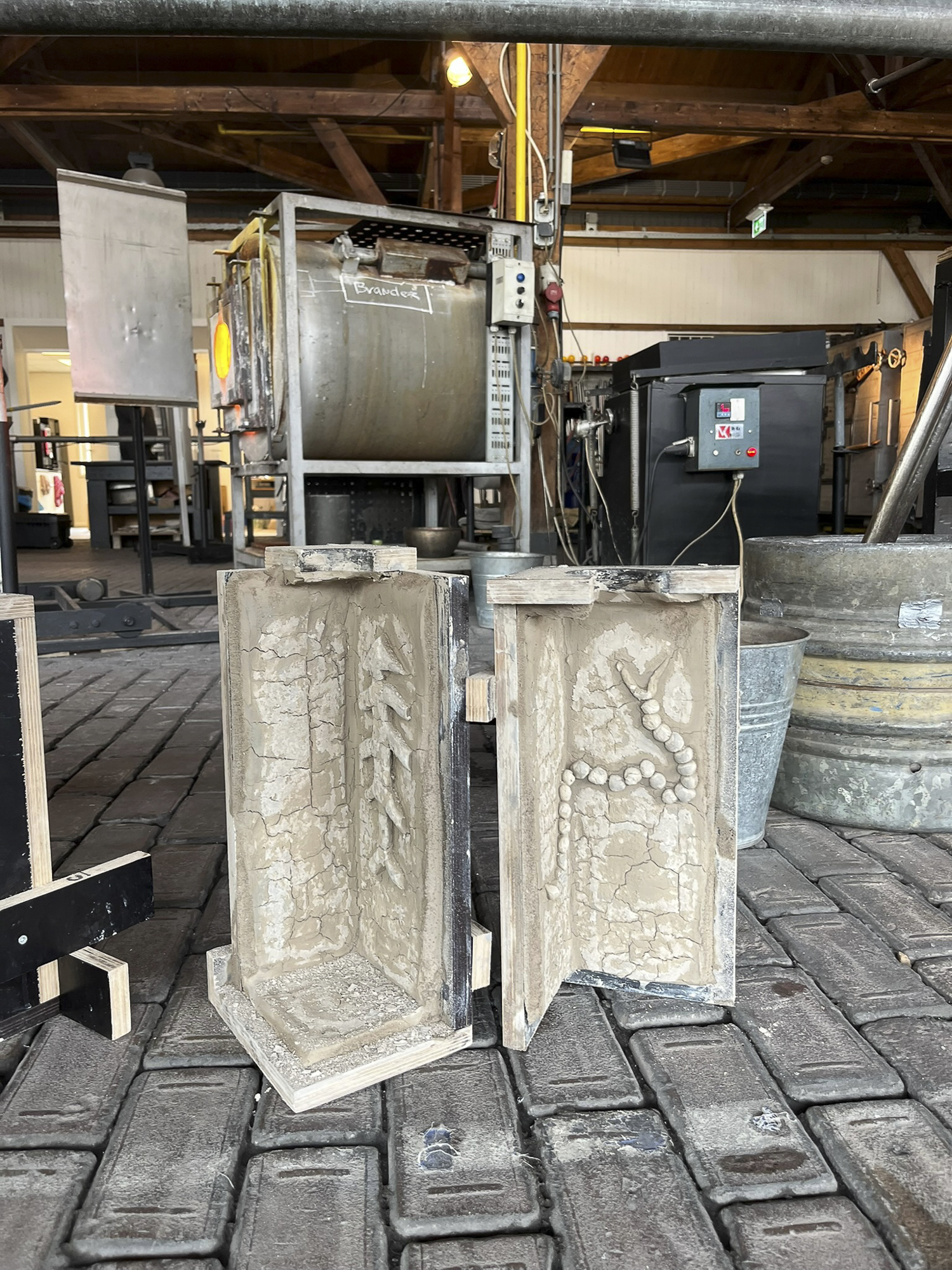
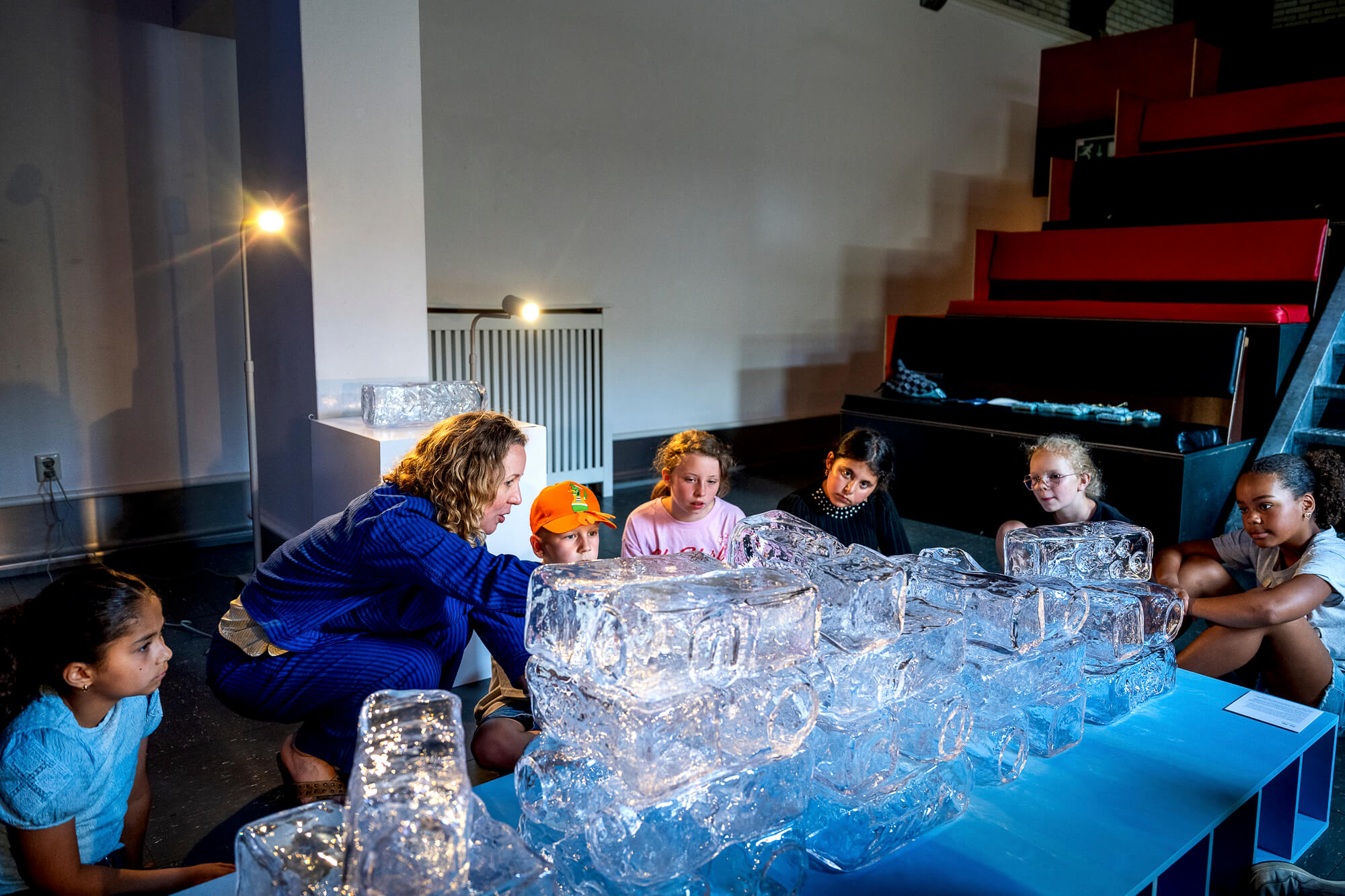
In each glass layer, a fossil imprint of historical, contemporary, or imaginary future species is incorporated. The imprints were made by students and connect generations in ..n gesture. The transparent glass refers to what has disappeared, to the water that is both the cause and a possible solution, and to the invisible emissions released from drained peat.
The transparency is also a reference to the invisible impact of generations' choices on the environment and the lives of future generations, and how policymakers see no solution for the current situation because they want to satisfy all stakeholders.
The title refers to the polder, a malleable landscape, and a model of consultation. The installation poses the question: what is the price of continuous consensus if fundamental choices fail to materialize?